News
-
Read More
Check out our feature on Manufacturing Marvels, celebrating excellence in American manufacturing and, most importantly, the people who make it happen every day. This spotlight is for the teams that power our quality, our purpose, and our success.
-
Read More

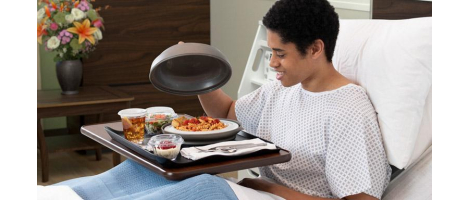
Meals can have a direct impact on recovery. This makes hospital foodservice a critical part of patient care. Today’s healthcare systems face rising expectations around meal quality, temperature consistency, delivery accuracy, and overall patient satisfaction. At the same time, nursing teams are continually tasked with providing faster, more holistic care under demanding conditions.
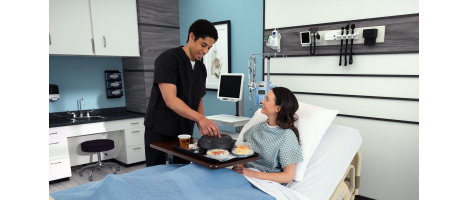
When these two essential departments communicate and operate together, the results are powerful. Strong relationships between hospital foodservice and nursing improve patient outcomes, streamline workflows, and create a better care environment for everyone involved. Collaboration is no longer a nice-to-have, it is a requirement to meet modern patient and facility expectations.
Below, we explore the top benefits of building strong relationships between hospital foodservice and nursing departments and how the right hospital foodservice solutions support that success.
Improved Patient Satisfaction
Meals are
-
Read More

Nutrition and hydration are fundamental to healing, and the way they are delivered plays a critical role in patient comfort, satisfaction, and recovery outcomes.
In healthcare, patient well-being depends on more than medical care alone. Reliable ice and meal delivery systems are essential to ensuring patients receive consistent, high-quality nourishment and hydration. When these elements are compromised, the consequences can be clinically significant, including malnutrition, dehydration, longer hospital stays, and higher readmission rates.
The Clinical Impact of Malnutrition and Dehydration
Malnutrition and dehydration are pervasive challenges in hospitals, particularly among older adults. Research indicates that up to 50% of older patients meet the criteria for malnutrition prior to hospitalization and often worsens during their hospital stay due in part to poor appetite, medication side effects, fasting for procedures, or illness-related factors [1][2]. Similarly, dehydration is common
-
Read More

Selecting the perfect meal delivery cart is crucial. You have to think about durability, special features, and noise levels. Picture those bustling hospital corridors—are the carts quiet enough not to disturb patients? Can they smoothly navigate around people and equipment in busy hallways? It's all about finding the right fit for your facility's needs.
In this guide, we'll take a closer look at Aladdin's lineup of patient tray carts, each crafted to tackle the unique challenges different healthcare facilities face.
Premium Meal Delivery Carts Series
Aladdin’s Premium Meal Delivery Carts are designed to be seen and not heard. Their modern design isn’t just nice to look at - it’s durable and built to handle the rigors of high-volume healthcare facilities. They provide smooth food delivery and maintain a professional appearance while prioritizing staff comfort and ease of use.
Durability and Longevity
Meal delivery carts are critical in ensuring food safety and efficiency in healthcare
-
Read More

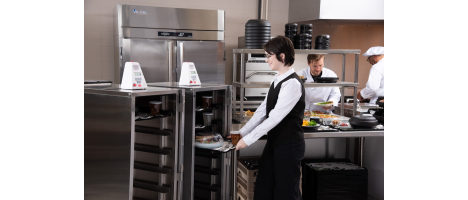
Every hospital kitchen tells a story of care, teamwork and dedication. Behind every meal is a healthcare foodservice team working hard to nourish patients and support healing. But even the most committed teams can be held back by outdated equipment, cramped facilities or systems that no longer match the way hospitals deliver care.
That’s when a hospital kitchen redesign can make all the difference. Redesigning is more than replacing what’s broken—it’s about building a supportive environment where staff feel confident and patients benefit from meals delivered safely, consistently and with care.
If you’re noticing strain in your operation, here are six common signs it may be time for a refresh—and the Aladdin Temp-Rite solutions that can help your team move forward.
1. Aging Infrastructure
Even the best kitchens wear down over time. Equipment slows, repairs pile up and older systems struggle to keep pace with patient-centered care models. When infrastructure starts holding your foodservice
-
Read More

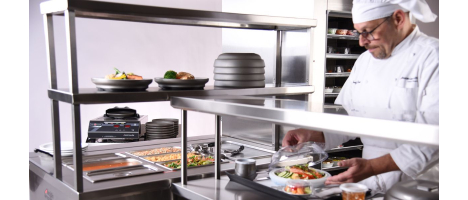
Delivering nutritious, temperature-appropriate meals isn’t just a healthcare standard - it’s part of helping patients feel cared for and supported in their recovery. When a meal arrives fresh, flavorful, and at just the right temperature, it can brighten someone’s day.
How Hospitals Can Keep Salads Cold and Streamline Trayline Operations
Recently, the Aladdin Temp-Rite team joined Kelly Foss-Adamson onsite with the foodservice professionals at Kaiser Permanente in San Diego to roll up our sleeves and work on two big challenges: improving cold food holding and making trayline operations more efficient.
At Aladdin Temp-Rite, we believe every interaction with healthcare foodservice teams is a chance to listen, collaborate, and innovate. Our visit to Kaiser revealed practical solutions that not only help with compliance and efficiency, but also elevate the patient experience.
1. Maintaining Cold Chain Integrity from Kitchen to Bedside
-
Read More
Emergencies can strike at any moment, like a power outage from an unexpected storm or a flood from heavy rainfall. In 2023, more than 25 natural disasters occurred across the United States, seven more than experienced in 2022. Swift and efficient responses during a crisis are essential in ensuring the well-being of patients and healthcare providers.
-
Read More
Efficiency in meal delivery within healthcare facilities is not just a matter of convenience; it's a critical component of patient care. Timely, nutritious meals play a significant role in aiding recovery, maintaining health, and impacting patient satisfaction. Aladdin Temp-Rite prioritizes innovative healthcare food delivery systems, ensuring meals reach patients efficiently and safely.
-
Read More

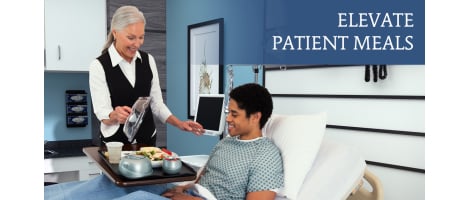
Disappointing hospital food—it’s a perception that has lingered around hospital food service for far too long. The good news is, it doesn’t have to be this way. With thoughtful changes and innovative ways to upgrade patient meals in hospitals, mealtime can become something patients actually look forward to—a comforting part of their care that feels closer to home.
Elevating hospital food goes beyond what’s on the plate—it’s about enhancing the hospital dining experience. Small changes like enriching flavors, refining presentation, and keeping food at the right temperature can turn mealtime into a bright spot in patient care.
Here are seven practical hospital food service strategies to transform perceptions, ultimately boosting patient satisfaction scores and making hospital meals a meaningful part of healing.
Obstacle 1: Loss of Control & Anxiety Lead to Poor Perception
During a hospital stay, patients often lack control over daily routines and choices, which can extend to their meals.
-
Read More
We are pleased to announce that effective September 1, 2025, Jeff Burns has been appointed President of Aladdin Temp-Rite, succeeding Nate Jackson, who has led the organization with distinction for the past eight years.